

Get Fact First - April 2, 2025
Vol 1, 13

Liberation Day, Meet Fact-Checking Day
At Get Fact, we don’t believe in coincidences.
Trump is calling it Liberation Day. But today is also International Fact-Checking Day—a reminder that facts matters, especially when the stakes are this high.
We’re calling it what it is: a moment to double down, find the facts, and face the attack on our sovereignty and economy head-on.
More on International Fact-Checking Day. Link
Get Fact by Kevin Newman
Many of you know him as one of the most trusted voices in the country—a broadcast journalist with a long, distinguished career on both sides of the border, including years at ABC News.
He literally said “Good Morning” to millions of Americans as co-host of Good Morning America.
Now, as one of the volunteers with Get Fact, he is bringing a sharp eye, steady voice, and decades of experience to help make sense of this moment.
As we head toward our April 8 launch, we’re rolling out a series of new products—each one an invitation to think critically about what you’re hearing about the future of this country.
This new podcast and broadcast series will go deeper. Longer conversations. All trying to make sense of the strange new reality we’re living in.
Subscribe to Get Fact by Kevin Newman, and check out our launch site here Getfact.ca
Canada Proud
Canada Proud is just one of several political advocacy groups—this one backs Pierre Poilievre—and it’s thriving in the vacuum left by Meta’s news ban.
Since Meta blocked news links in 2023 under the Online News Act, traditional media has been pushed out of the social media conversation—unable to share links, unable to compete with the noise. Into that silence step groups like Canada Proud, flooding feeds with content that looks like journalism—but isn’t.
No links. No sources. Just posts dressed as headlines—easy to share, easier to believe, and built to spread.
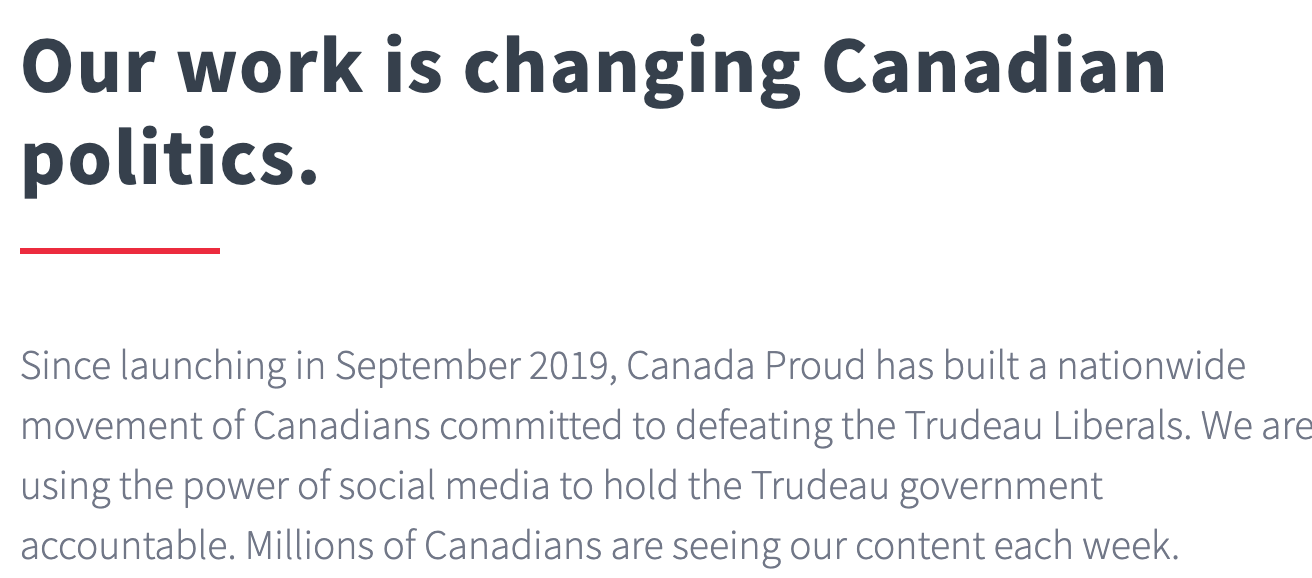
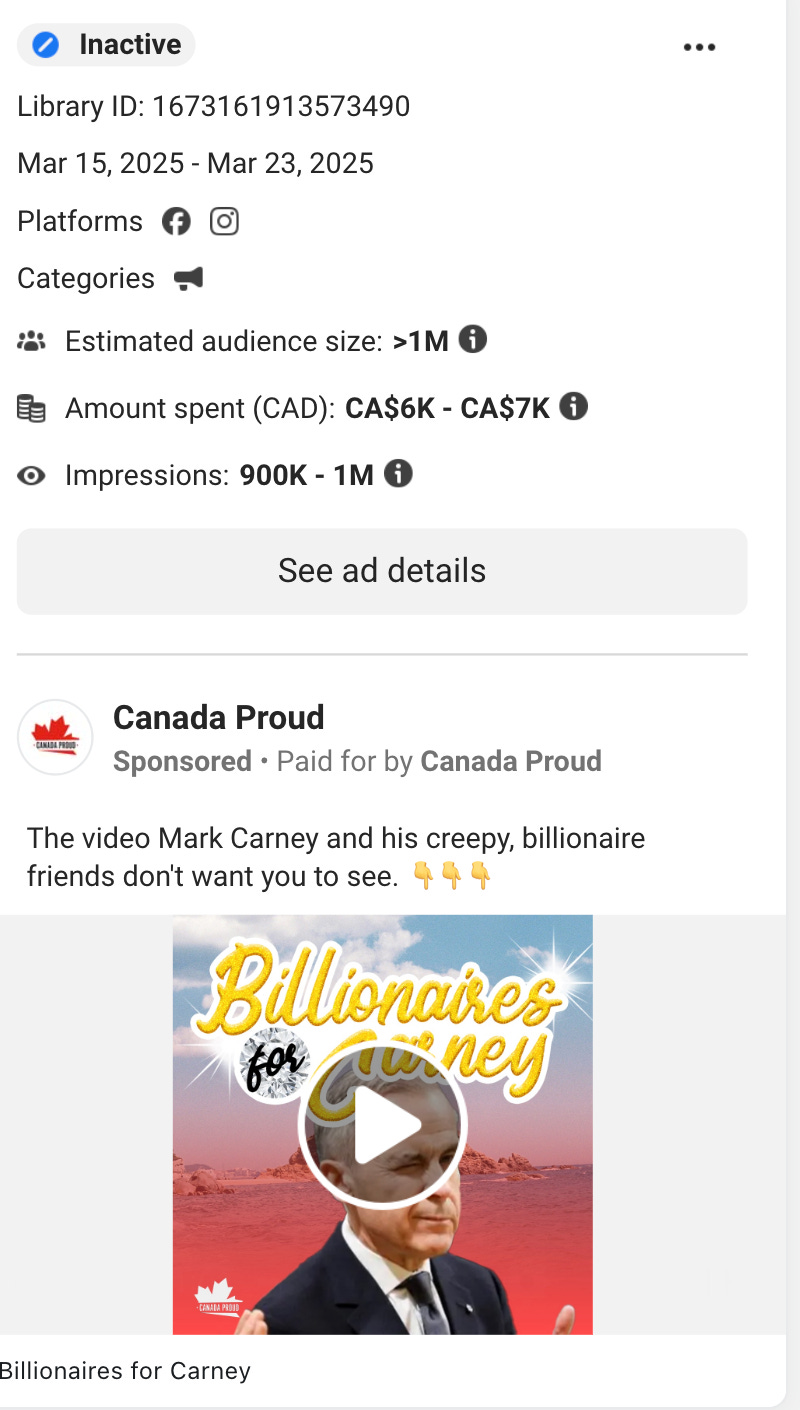
Canada Proud—run by former Conservative staffer Jeff Ballingall—launched a wave of attack ads painting Mark Carney as “sneaky” and unable to challenge Donald Trump.
At Get Fact, we’ve seen the shift: more and more, the content filling our feeds looks like news—but it’s not. It’s coming from influencers and advocacy groups, not verified sites or fact-checked sources. The result? A noisier, less reliable public conversation—at a time when clarity is crucial.
Meta classifies Canada Proud as a nonprofit, not a media outlet. That label lets it sidestep the rules meant to govern news sharing.
So has Meta’s news ban cleared the way for partisan content to drown out fact—just when facts are hardest to find and most needed?
Thanks to the EU, we can track who’s paying to push posts like these.
And of course, there was the AI-generated image—circulated widely—showing Mark Carney alongside Ghislaine Maxwell and Tom Hanks.
Snopes took a closer look here characterizing this as a conservative effort to link Mark Carney to Maxwell—an AI-generated smear meant to plant suspicion by association. No facts. No sources.
Find the ad spends here LINK
Net Worth
Do you know the net worth of Pierre Poilievre or Mark Carney?
Probably not—because their personal finances haven’t been made public.
Still, we’re betting you’ve seen headlines or AI-generated answers that claim to know.
When facts are missing, misinformation fills the gap.
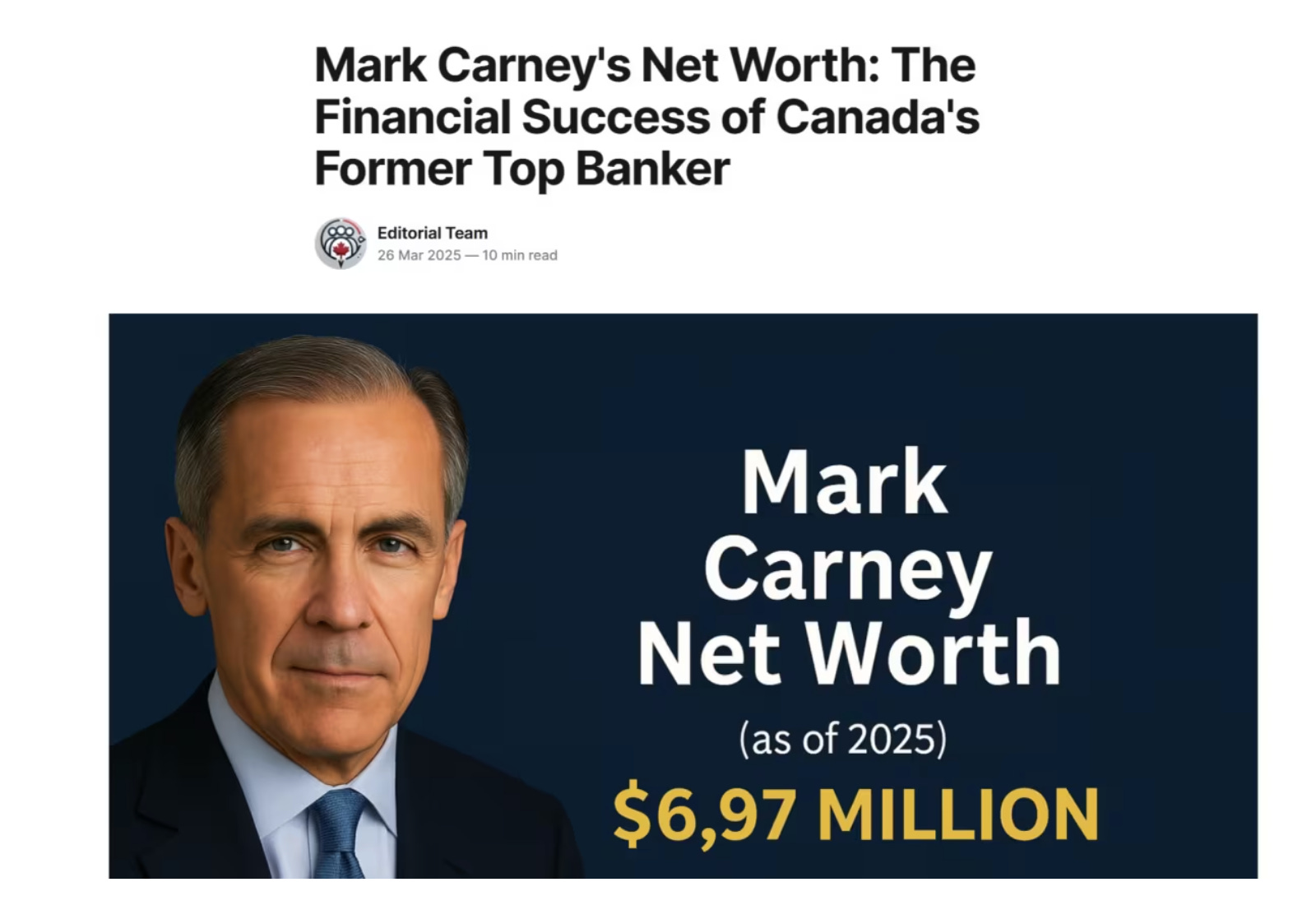
This is Canada’s first federal election in the age of powerful AI. And now, made-up numbers are slipping into search results and chatbot responses.
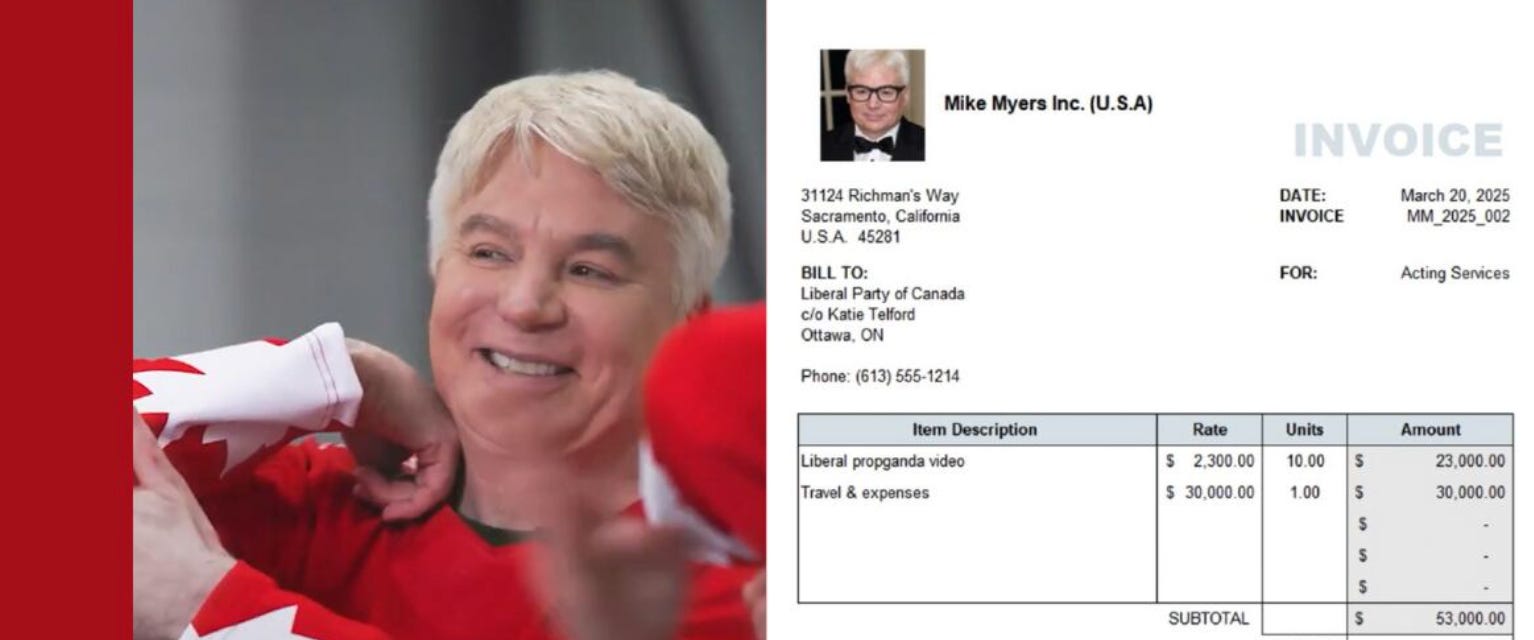
Here is Mike Myers invoice for his elbows up appearance with Mark Carney?!?!?
CBC looked into it…LINK
Misinformation Spreads, Consequences Follow
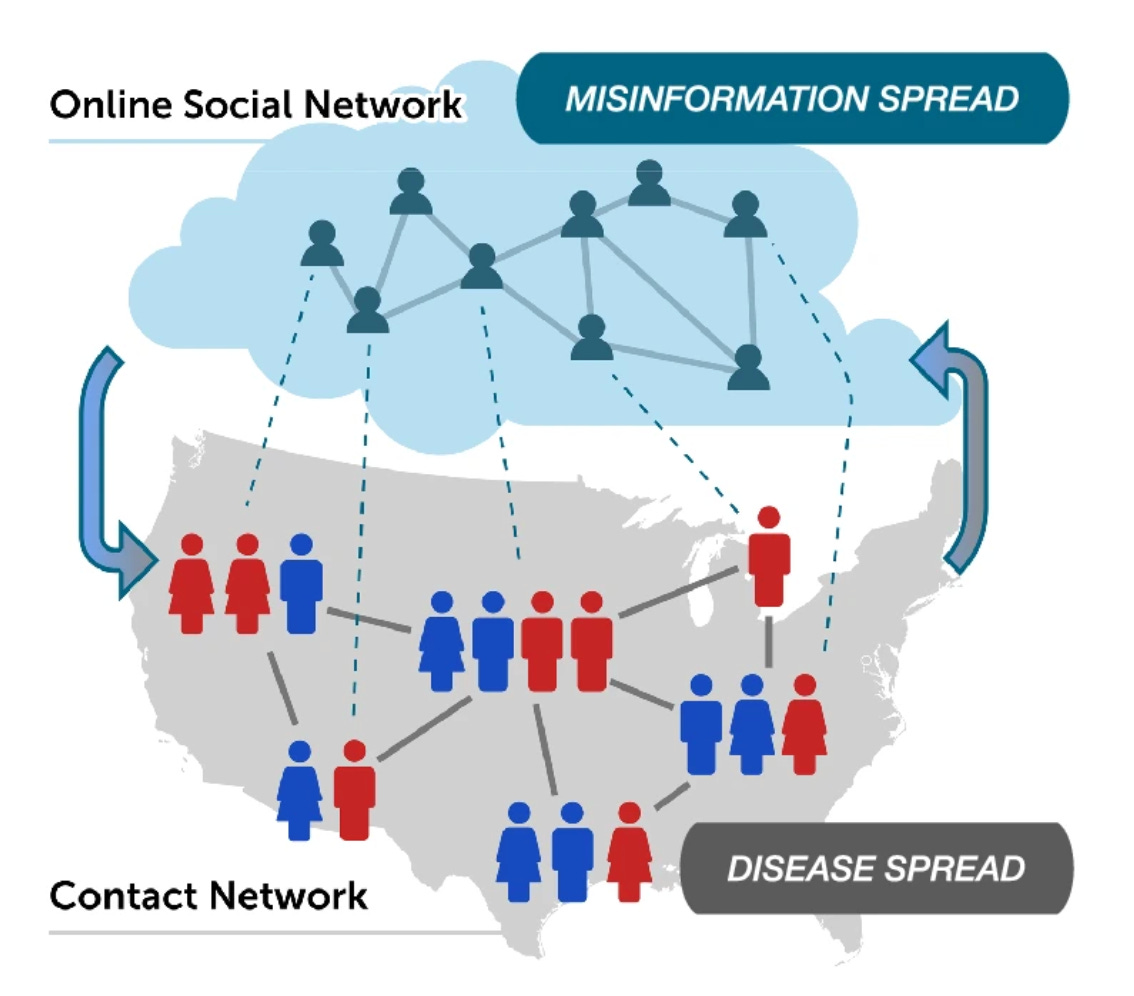
This academic paper—and yes, very academic—takes a sharp look at how misinformation actually fueled much of the pandemic by using real-world data to model how disease and misinformation spread together.
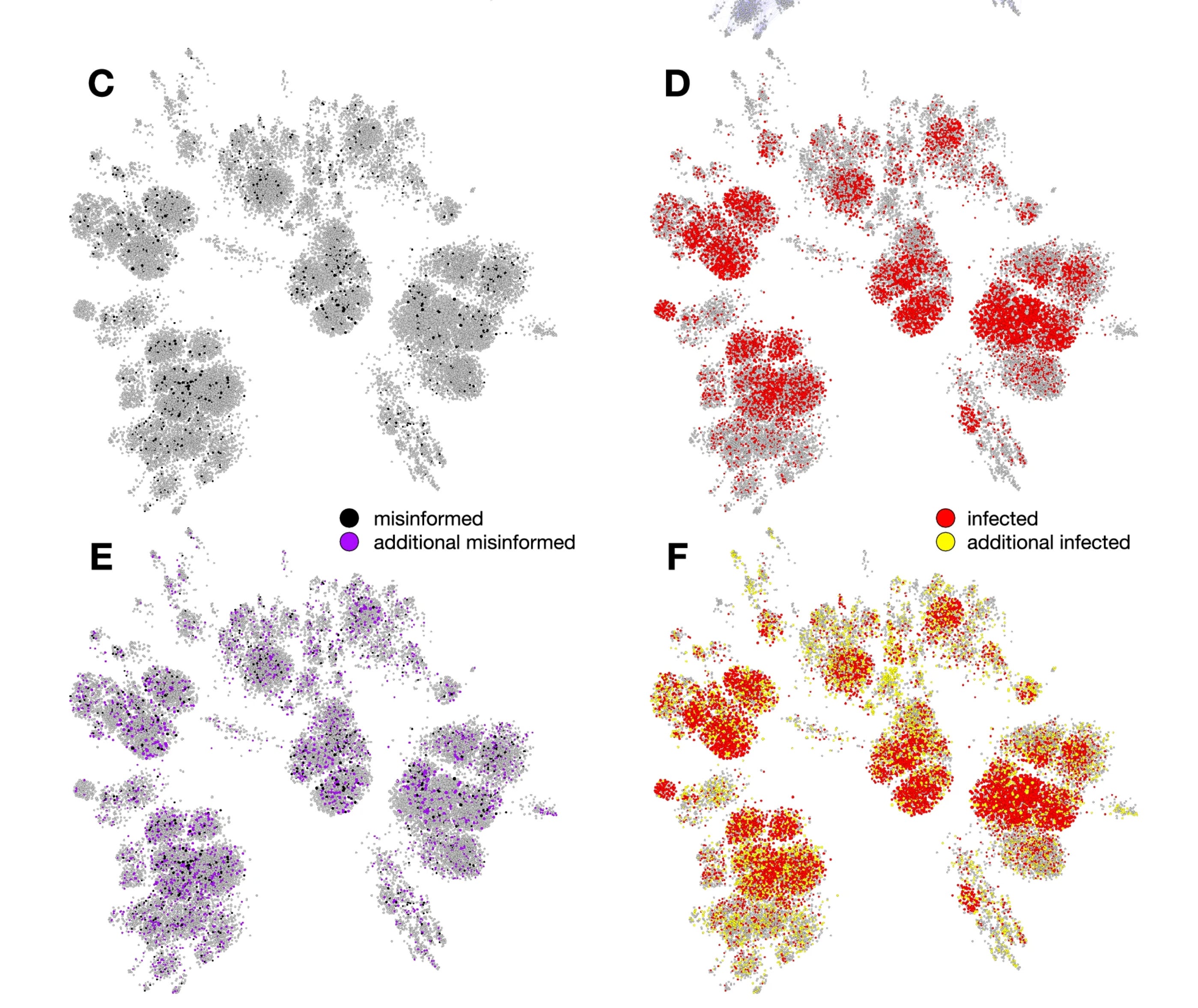
The Get Fact team only read the abstract and parts of the study, but we think this is revealing.
It shows how misinformation online (on platforms like TikTok, Instagram, or Reddit) can make real-world problems—like diseases—worse.
Diseases spread in real life (schools, offices). Misinformation spreads online.
Many people are part of both.
The study's main point: Online misinformation makes diseases harder to control. But just because someone gets sick doesn’t mean they stop believing false information.
Get Fact asks: Can this also apply to perceptions of election outcomes or other political issues? If people are unhappy with election results or another issue they can’t control, it doesn’t change their beliefs about misinformation—especially when facts are not always widely available.
Let us know if you see anything worth sharing—Canadians pushing back against attacks, misinformation, or disinformation.
And if we got something wrong? Tell us. It happens. We correct it.
See you Tomorrow
I tried sharing the link to the Snopes article and Facebook rejected my post because of the ban. How convenient! Disinformation spreads more easily when fact checking isn’t allowed! Hopefully Get Fact can avoid FB classifying it as news to avoid the same fate.